

The Ramblings of a long time Grouse Hunter…
Wednesday, March 14, 2018
More information on dog health....
This subject is one I have been following closely as more information becomes available. If you have a puppy or are thinking about getting one, this is a subject you may want to do some research on.


Saturday, March 10, 2018
From The Journal
 The opening weekend of the 2003 bird season I took
my German wirehair pointer north for her second trip to the North Woods. Our
first morning up there the woods dripped from a nighttime of steady rain and the
sun hid behind a dark mottled sky.
The opening weekend of the 2003 bird season I took
my German wirehair pointer north for her second trip to the North Woods. Our
first morning up there the woods dripped from a nighttime of steady rain and the
sun hid behind a dark mottled sky.
As Chara hunted down the slope ahead of me, I followed
through alders and young poplars, trying hard not to brush against anymore wet
foliage than necessary. We were searching for woodcock in those alders. Thirty
years earlier I had hunted that same covert with my first bird dog, a
boneheaded Brittany spaniel that taught me a lot. Unfortunately, I could teach that
dog little.
 It’s funny
how you don’t mind the wet woods once you find birds. At one point, before we had
found any birds, I remember thinking that none of my friends would have enjoyed
that morning, with soft mud sucking at boots and soaked cold clothes plastered
to the skin.
It’s funny
how you don’t mind the wet woods once you find birds. At one point, before we had
found any birds, I remember thinking that none of my friends would have enjoyed
that morning, with soft mud sucking at boots and soaked cold clothes plastered
to the skin.
Near a brook that twisted down the hillside we
chased two grouse in circles. It was like they didn’t want to leave their home territory
and kept circling back. A few dozen fat fir trees along that stream broke up
the yellowing poplars and still green alders, and provided excellent cover for
those rotating grouse. Those stubborn leaves gave the grouse such an advantage that we finally lost track of them.
But there were woodcock and Chara proved her worth.
I shot as the first bird disappeared into the foliage and felt certain it
was a clean miss, but my girl came bounding back with bird in her mouth. And
the day kept getting better. When we walked out of the woods at eight-thirty a
limit of woodcock rested in my game vest.
Yet the best part of the morning was sitting on
the tailgate of my truck and sharing cookies with Chara.
Parked on a logging
road in the middle of nowhere, we watched the sun burn away the clouds to
illuminate the reds of the maples and golds of the birches. As the air warmed, it smelled of sweet drying leaves and spicy grasses. The only sound came from far
away in the hills, where a raven made his soulful cry.

Sunday, February 11, 2018
The Hill
The hill has an odd name. It is named after the same man as
the town it is in, but that is all I’m going to tell you. Years ago it was out
in the middle of nowhere and I hunted deer there and birds too. A memory sticks
of walking out of the woods, moments after legal shooting time had passed, and
seeing a monster buck ghost cross the woods road ahead of me. But that is
another story.
What made the hill special were the old farms. Up on the top
there were two, both long abandoned, but marked with sagging homes settling
into old stone foundations. In the overgrown fields game had trampled paths
between the scraggly apple trees and the cedar swamp down below. Old tote roads
crisscrossed the upper wooded slopes, and every single one of them seemed to
lead exactly where you wanted to go. It was that kind of magical place. In a
field, halfway down the eastern side of the hill, stood a box-like camp where
an old woman lived by herself during the summers. I wish I could remember her
name, she was in her seventies when we met.
 Somehow, two decades slipped by without visiting that hill,
but finally I went back with my German wirehaired pointer pup named Chara and
my Parker shotgun that had turned a hundred years old that year.
Somehow, two decades slipped by without visiting that hill,
but finally I went back with my German wirehaired pointer pup named Chara and
my Parker shotgun that had turned a hundred years old that year.  |
| Busted up country |
Unbeknownst to me a horrific ice storm had flattened the trees
a few years earlier, obliterating most of the landmarks. Up on the top of the
hill two homes had been built near the ancient fallen ones and the old fields
there were posted. Travel through what had once been woods was impossible, with
ice-shattered trees broken and lying in a tangled mess. Chest high raspberries
flourished in the new sunlight, with waiting claws that seemed incredibly sharp.
After an hour or so of searching, we found that little camp in
the field halfway down the hill. Someone had been there recently and it looked
much like I remembered it. Above the house a basin had been re-dug next to a
spring and firewood was stacked on the far side of the porch.
Where an old footpath came down the hill into the field, I
tried to pick my way between the raspberries’ thorns. A fallen maple trunk
blocked the way, then another, then six more and the path disappeared among tangles of new raspberry vines. And then Chara flushed a grouse.
She went into overdrive, pushing under or jumping over
obstacles and oblivious to the vicious briars. Several more grouse exploded
into the sky. I sat on a log and watched, knowing she would be back eventually and
was learning a lesson along the way---dogs can’t catch grouse.
Her tongue looked a foot long when she came back panting. Even
that had been pricked by the thorns and wore flecks of blood. We found that
spring fed puddle near the house and she stretched right out in the icy water
to drink her fill. I wondered what had become of the woman that used to live
there, she should have been over a hundred at that point. And who kept the
place up, mowing the grass and piling the firewood? Obviously someone used the
place in the summers.
Sauntering out the old tote road toward the truck, Chara
continued to hunt, but at a slower pace. It was obvious she would grow into one
heck of a bird dog. I carried my old Parker shotgun broken open and draped over
my shoulder. It had been quite a day. And of course a lone grouse dropped out of a busted-off old spruce
and flew straight away down the road, offering one of the easiest shots a man
could ever hope to see.
 |
| Chara in her younger days. |
Thursday, January 11, 2018
Squeaky Snow
 |
| Maggie |
Our
younger German wirehair, Maggie, is game to go. She loves winter and rolls in
the snow daily. Colby, our older girl, will pretend to want to go, but after I
leave she’ll curl up quite content beside the wood stove to dream of summer.
From
the house, Maggie and I head down into the softwoods, snow squeaking with every
step and our breath in a cloud. She bounds through the snow with enthusiasm. In
the shelter of the spruce and fir trees the snow is hard, crunching beneath the
snowshoes despite the dusting of fluff on the top. Maggie can easily dash about
atop the snow, following the confusion of snowshoe rabbit tracks.
 Deer
have passed through, punching deep imprints in the hard snow. The coyotes barely
made tracks, but traveling on top with such an advantage over the deer.
Deer
have passed through, punching deep imprints in the hard snow. The coyotes barely
made tracks, but traveling on top with such an advantage over the deer.
Our
favorite brook trout stream is silent, capped over with ice and snow. It is
hard to imagine trout fishing and I wondered where the brook trout went for the
winter. Surely they are not in the same riffles as they were in July, but
probably in the deep dark holes where the current is slow or nonexistent.
We
follow downstream. Maggie shows no interest on going out on the ice, which is
what I had hoped. I like smart cautious dogs. They seldom get porcupined or
skunked more than once.
Snowshoes
on crusty snow drown out any other sound. Mice tracks, squirrel tracks, rabbit
tracks, all create a puzzle. Fat well-spaced trunks of conifers cover the plateau
along the stream, making travel easy.
We
pass where the coyotes killed a deer the previous winter. Maggie sniffs about
and I wonder if there could still be scent after so much time. Dogs amaze me
with their noses and nothing seems impossible. She squats to urinate, to say to
the coyotes “Hey, I was here”.
Leaning
alders, bent by the snow, block the path and I crouch to walk under them. A busted
fir tree, broken by an early winter wind, demands a detour. Another fallen fir,
this one uprooted, reaches out halfway across the stream. Eventually the stream
pinches against a steep ledge to cut off our course, so we turn back and inland
to follow the edge where the softwood trees of the lowlands meet the hardwoods
of the hill.
The
snow is deeper, but Maggie still flies about, first up the hill then down into
a thicket beneath a cluster of firs. She points, relocates, points again, and
then zips off to hunt still more.
Grouse
tracks cover the snow where she stopped. I stare up into the trees, hoping to
glimpse one, but see none. I did not bring a shotgun. With the extreme weather
I really don’t feel like bother them and seeing the tracks is enough for me.


Heading
uphill and back toward home, another shattered fir tree blocks the path. I
trudge around it beneath three big softwoods. Ahead of me, Maggie again points
for a moment before charging onward. Grouse tracks go every-which-way where she
stopped. The bird never wandered far, but created a tangle of tracks beneath a
cluster of young maples, all in an area the size of a large dining table.
I
search among the tree limbs, but again find only empty branches. Hopefully the
bird is sitting somewhere safe with its belly full. We are close enough to the
house, so, if this one is a male, we will sit on the deck and hear his drumming
in the spring.
 A
late day chill reminds us it is late. The low winter sun has slipped behind the
hills early and the sky has dissolved from blue to the color of steel. Up the hill
we find a skid road that takes us around the bottom edge of another softwood
stand. Water runs beneath the snow, creating a murmur that is almost impossible
to hear. In the summer mud would be everywhere, but a pristine white blankets
everything. The deep snow makes breaking trail work, but Maggie still bounds
about. Eventually, the road leads to the far end of the field behind our home
and I can see smoke wafting up from the chimney.
A
late day chill reminds us it is late. The low winter sun has slipped behind the
hills early and the sky has dissolved from blue to the color of steel. Up the hill
we find a skid road that takes us around the bottom edge of another softwood
stand. Water runs beneath the snow, creating a murmur that is almost impossible
to hear. In the summer mud would be everywhere, but a pristine white blankets
everything. The deep snow makes breaking trail work, but Maggie still bounds
about. Eventually, the road leads to the far end of the field behind our home
and I can see smoke wafting up from the chimney.
There
is no place I would rather see or be.

Wednesday, January 3, 2018
Worm Soup
 |
| Alders |
The
rain had finally stopped. It was time to get the dogs out hunting again. With
the youngster in the house, Maggie, that meant looking for woodcock, because no
finer bird was there ever for training a young pointing dog.
The
woods was soaked after three or four inches of rain in only a matter of hours. Winds
had approached hurricane force and the power was out back at the house. Hundreds
of trees were down everywhere. Logging roads would be impassible, unless one hacked
their way in with a chainsaw. I opted for easier going and picked a covert next
to a state road.
Soft
wet ground, like runny chocolate pudding, oozed down the hillsides. We pushed through
raspberries and then blackberries into a stand of young alders. Maggie and
Colby were in hyper mode, hunting hard, oblivious to the mud. Down the slope we
sloshed. Then, where water puddled among alders, a bumped woodcock flew back
over my head.
 |
| A rock pile left by a farmer. |
Clumps
of young firs, growing on a series of hummocks the size of overturned bushel
baskets, divided the alders from more poplars. We skirted an enormous pile of
moss-covered rocks, left by a long gone farmer, and another thicket of
blackberries. More fencepost-size poplars stood above bent and brown ferns, then
into another cluster of alders we waded. Where were the woodcock?
Far
ahead, Maggie’s bell screamed silence. Colby’s still rattled off to my right.
Then Colby’s fell silent too. Silence. Two dogs were pointing, what to do? How
long would the young dog wait? I quickly stepped in front of closer Colby,
knowing that if a bird flushed a gunshot would send Maggie into overdrive.
No
bird, I breathed relief, then hurried toward Maggie, while saying to Colby, “There’s
no bird Colby. Where is Maggie? Let’s go find Maggie. This way girl, come on, this
way.”
Colby
zigzagged through where she thought the bird was, but, finding nothing, she
galloped ahead, disappearing into the alders. Ducking under and stepping over
limbs and leaning trunks, I first saw the unmoving white of Colby’s coat and
then Maggie’s brown silhouette, like a statue a dozen feet ahead of her. My
heart pounded.
 |
| Soggy ground. How many dogs in the picture? |
Trying
to approach through the tangle was frustratingly slow. And I needed to be able
to stand to shoot, but the world was a jumble of limbs and trunks. As I stepped
over a roadblock of tilting alders, the bird tweetered toward the sky. A shot
is pointless, but tried anyway. The bird disappeared into the swamp.
The
dogs went into overdrive, fueled by bird scent and gunfire. We worked downhill
to where thick grasses grew between the alders. Water was everywhere and the
ground felt like stepping on a soggy pillows. Turning to the right, we followed
where the saturated bare ground met the soaked grasses.
In
a spot wetter than most, puddles and pools dictated detours. Maggie pointed
thirty yards ahead. As I tried to find a route towards her, Colby pointed to my
right. White splashes covered the ground. A step toward Colby sent another
woodcock aloft, but a shot was impossible. I hurried toward Maggie and a second
one launched, offering an easy going away shot.
After
that the dogs were wound tight, with bird scent is in their nostrils and the
taste in their mouths. Hunting hard and fast, they covered a lot of country,
while I struggled to keep up. The scenario repeated three more times in the
swampiest of places. Only one more bird fell to the gun.
What
were these birds eating? Drowned earth worms? Marinated in rainwater? How did
the woodcock stay dry? Ducks would have swum happily between the trees.
After
we turned back toward the truck, I attempt to steer the dogs toward an old
apple tree where ruffed grouse like to loiter. To my left, Maggie was up the
hill further than I wanted and out of sight. Then her bell fell silent. I coaxed
Colby in that direction, hoping she would find her for me.
But
Colby went on point where a small stream created an expansive quagmire in a
flat spot. That woodcock flushed well ahead of me and disappeared into a
cluster of firs. Colby dashed off toward the apple tree. Mumbling to myself, I
headed toward Maggie and called Colby back.
The
young dog’s bell jangled again, then a woodcock weaved through the trees toward
me, passed overhead, and disappeared down the hill. Impatient Maggie charged along
in hot pursuit.
 |
| Wild apples and an abandoned field. |
The
three of us followed the bird’s path into intertwined alders. Maggie’s bell went
silent, then Colby’s too. I followed to the edge of a gully, where I could
barely see both dogs locked on point not forty feet ahead of me. Stepping,
twisting, crawling, and cursing, I pushed in. The woodcock tweetered upward and
then down the hill, dropping like a stone beside a lone fir tree.
We
followed. The dogs hunted hard, tearing up the turf with water splashing. The
bird seemed to have disappeared, but then took off next to my right foot. I
never lifted my gun and neither of the dogs noticed it go.
Hunting
again toward the truck, both Maggie and Colby each found another woodcock where
another tiny trickle wound down the hill, but in the tangled jungle both flew
off without a shot being fired.
Later
that day we hunted across the street among ancient apple trees that the grouse
love. We found no grouse, but, about to turn around and head home, I coaxed the
dogs into a tiny patch of alders next to a small field. Colby instantly snapped
into a point, then Maggie too. I marched into the alders and a woodcock twisted
skyward through the branches. When it reached the treetops I fired.
 |
| Colby looking good. |
Colby
made the retrieve and the dogs tussled harmlessly for a moment over ownership.
With wet feet
and very happy dogs it was time to go home.
Friday, December 22, 2017
Bloat

Thursday, December 7, 2017
Upside Down
 |
| Can you see Colby pointing? |
Regenerating
clearcuts make for great grouse hunting. Certain things make some better than
others. I like to see young poplars coming up. Maples and birches are good too,
but if there are young choke cherries I usually pass it by. Softwood trees
nearby are important for shelter too, but it doesn’t take many. Grouse will
walk a long way into a cut, from the shelter of softwood trees, so be sure to hunt
quite a ways into the cut.
Some
clearcuts are almost impossible to walk through from the slash left behind.
Others are easier if branches and tree tops were hauled away with the wood. In
our area almost none of the ground is flat and the logging roads tend to be in
the valleys. The best hunting if often at the tops of the cuts, because the
birds see fewer hunters and frequently there are stands of softwood trees at
the higher elevations. So you had better be in shape because climbing those
clearcuts can mean hard walking.
When
you find a productive cutting and hunt it over the years, the trees get bigger
and you probably don’t notice the changes. But one day you will realize the
place isn’t what it used to be. It is because the forest became too mature and
the nesting areas and food sources are gone. Grouse and woodcock are birds of
the early successional forests.
 |
| There is even an old stone foundation nearby. |
So
besides hunting grouse, you continually have to hunt for new cover. If you
don’t you’ll soon be finding fewer birds.
This
past fall we stumbled upon a new favorite. A logging road will take you up
above the clearcut and then it is only a hundred yard walk down a gentle slope
to reach it. Better still, the loggers left behind a few ancient wild apple
trees that had been hidden. There is an assortment of weeds, water is nearby,
and stands of softwoods break up the landscape. Clusters of young alders, the
diameter of shovel handle, stand like tall skinny commuters waiting for the
bus. The place is going to be a good one for several years.
 |
| Maggie is pointing a woodcock. |
Monday, November 20, 2017
Deer Season

Sneaking
out of the house was nearly impossible. Since the start of bird season the dogs
never took their eyes off me, particularly Maggie our youngster. Earlier in the
day, I had snuck my deer rifle out and tucked it in a corner of the entry.
Leaving sad faces behind, I walked out of the house in my deer hunting garb.
An
inch of snow covered the ground and no wind moved the air. An overcast sky
promised daylight fading early. The snow had fallen a couple of days before,
but constant cold temperatures had kept it from melting.
I
picked a course away from the house where the dogs could not see me entering
the woods with a gun. If they had my wife would have been forced to listen to a
sorrowful chorus.
Just
beyond the edge of the lawn, tracks showed where a bobcat had walked up through
the softwood trees and sat. Was it there in daylight? Did the cat know there
were dogs around? From its perch it looked up the hill at the house and our
shop.
 An
old skid road lead down to the edge of the soggy marsh. The damp snow-covered
ground muffled my footsteps and I took care not brush against dead twigs. The
coyotes keep a worn path parallel with the wetlands, and I followed it west.
Judging from the tracks, only a few had passed by since the snow fell. Snowshoe
hare tracks were everywhere and I wondered how they survived. Their lives had
to be constant terror with all the coyotes in the neighborhood.
An
old skid road lead down to the edge of the soggy marsh. The damp snow-covered
ground muffled my footsteps and I took care not brush against dead twigs. The
coyotes keep a worn path parallel with the wetlands, and I followed it west.
Judging from the tracks, only a few had passed by since the snow fell. Snowshoe
hare tracks were everywhere and I wondered how they survived. Their lives had
to be constant terror with all the coyotes in the neighborhood.
A
blown-down fir tree forced a course change. Stepping from hummock to hummock, I
crossed wet ground beneath firs and cedars.
Movement…I
froze. A blue jay landed on a low branch, then flashed away again.
Where
the ground grew firmer, I followed the stream beneath a canopy of tall softwood
trees. The ground there is predominately flat and slow streams meander through
from the north, joining the larger stream further west. Beyond where I could
see, the hill goes up through birches and maples, with patches of evergreens
breaking up the forest. Craggy, near vertical, ledges break up the slope,
making ascent or descent impossible in places. To the south, on the other side
of the stream, a smaller steep hill climbs upward through mixed woods. Some of that
hill is so steep that deer detour around it.
I
hope to find tracks ahead where the deer funnel between the steep slope and an
open field beyond. Two years ago there were so many tracks it looked like a
highway. The previous fall our trail cam caught deer there too.
A
twig snaps off to my right and I freeze. Up in a tree a squirrel chatters. I
wait and listen, watching for movement. A slow step to my right puts a fir tree
in front of me, a possible shooting rest if I needed one. The squirrel was very persistent,
but finally stops. I wait another fifteen minutes, then continue.
Tracks
show where a bobcat has climbed up on a stump and sat. Could it be the same one
that visited the house? Tiny tracks that look like lace ribbon weave across the
snow. Coyote tracks are everywhere.
 I
reach the open field without seeing a single deer track. Discouraged, I turn
northward to head back along the north side of the valley, following the edge where the land starts to climb. That course
would make a giant circle around our home.
I
reach the open field without seeing a single deer track. Discouraged, I turn
northward to head back along the north side of the valley, following the edge where the land starts to climb. That course
would make a giant circle around our home.
One giant white pine clings atop a craggy
boulder the size of a house and I wonder how it stays. A spruce holds on similarly. Holes in the mammouth rocks formed gloomy shadows.
The dark
craggy vertical ledges breakup the slope and I know deer cannot cross them. Just
beyond a giant white cedar, a stream tumbles down from above, creating a series
of roaring waterfalls. When I stop to watch a grouse explodes from the top of a
fir tree. Where was he when I had my bird gun?
 Another
skid road takes me up through skinny young maples. A lone coyote had taken the
same path. Off to the left an enormous shattered fir tree lays on the ground,
broken by a recent wind. Either side of the whippy maples the forest looks
eerily dark beneath dense fir trees.
Another
skid road takes me up through skinny young maples. A lone coyote had taken the
same path. Off to the left an enormous shattered fir tree lays on the ground,
broken by a recent wind. Either side of the whippy maples the forest looks
eerily dark beneath dense fir trees.
Deer
tracks.
Big
ones. They go down the slope into softwood trees not far from our home. How old
are they? The edges looked sharp and no snow was in the imprints. The deer must
have crossed the valley. How I could have missed them? I must have crossed them
on the other side.
Darkness
and the end of shooting time was only a half hour away. I waited in the shadows
of the softwoods, timing fifteen minutes on my watch, then slipped uphill to a
woods road that would take me back to our field.
Coyote
tracks littered that road and yellow snow showed where they had marked. The
neighborhood seemed to be overrun with those hoodlums. Next to a rotten stump,
bobcat tracks went in under the low branches of a fir tree to sit in the
shelter of its branches.
It
was time to call it a day.
Monday, October 30, 2017
The Puppy
 |
| Maggie in her new home. |
Ripsnorter
Magalloway Magic Snapshot came home with us the end of February, 2016. In our
neck of the woods, February brings nights with temperatures well below zero,
and even days that barely creep up to zero. Maggie slept in a kennel beside
our bed to wake us when nature called, and, when it did, I would slip on the
heavy flannel lined pants and chamois shirt.
 |
| Hurrying back to the house. |
In
the winter darkness she would scurry off to search for the right spot beneath
the low limbs of a softwood tree. That was her choice every single time. To
keep track of Maggie I slipped a collar on her with a blinking red light. What
looked like a tiny fire truck zigzagged about the yard.
 |
| With her great aunt Chara |
Every
day she explored and learned. Her great aunt Chara kept her in line. Colby,
seven years older at the time, became her playmate. Her willingness to please
made her easy to train. Snow, mud, pools of water, all were great fun. The
woods became a giant playground. Unfortunately, Chara passed away that summer, but
Maggie had already learned much from the old wise one.
 |
| Pointing a planted quail. |
That
August Maggie pointed pen raised quail like a champ, even retrieving ones
shot. Her first hunt tests she received near perfect scores and that first fall
we searched out woodcock.
 |
| Pointing a woodcock. |
I
won’t say Maggie pointed every woodcock she found, birds were bumped and sometimes
patience during a point ran short, but she did better than a passable job.
Frequently she honored Colby’s points. Sometimes she pointed on her own. Her
enthusiasm felt infectious.
 |
| A lunch time break. |
 |
| Ripsnorter Magalloway Magic Snapshot |
Sunday, October 22, 2017
Across The Stream
Across
the stream the cover looked perfect. Isn’t that always the way? Mixed hardwoods
towered over clumps of alders and softwoods stood in clusters, all on flat and
relatively dry ground. Up in our neck of the woods, if you are not going uphill
you are most likely headed down. Horizontal country is rare. And everywhere your feet seem to get wet.
Ferns and grasses
covered that oasis, with patches of wild hops, seedy weeds, or raspberries
breaking up the forest floor. To an old bird hunter, it looked like the Garden of Eden.
For
years I had looked at it, across a rather formidable stream. It was property open
to the public to hunt, but road access was for the privileged few or on foot
around locked gates. Or across that unfordable stream.
The
past summer was as wet as any other up in this neck of the woods, but the last
two or three weeks had been dry. Evidently the spring runoff had moved the stream's bottom around and changed the course of the stream a bit. Passing by the other day, I was surprised to notice a place to cross.
After
parking, we started to our collect gear and ready the gun. Instantly, the two
dogs locked up on point about fifteen feet from the back of the truck. Ahead of
them a nearly vertical drop fell to the water a dozen or more feet below.
Stepping
toward them with gun in hand, a grouse exploded across toward the far side. I
never even attempted to bring the gun up. The youngest wirehair, Maggie, launched
and landed mid-stream and I don’t think she even knew she got wet.
The
climb down to the stream was a challenge, followed by a leap to a gravel bar,
then steps from rock to rock to rock, then another leap to a steep slippery
muddy bank, all the while holding onto a very dear shotgun.
The
country looked even better up close.
 |
| A scraggy old tree. |
No
chainsaw had visited that plateau in decades. Three men together would not have
been able to put their arms around one particularly fat yellow birch. Ancient
alders lined the streambank and scraggy old cherry trees towered overhead. Fat
white birches shed sheets of bark and an occasional red maple stood nearby. Further
inland, scattered clumps of softwoods offered shelter and a zigzag of alders
split the property.
followed the stream edge, ducking under or stepping over alders. At times we
took the easier way, weaving inland to push through weeds or dried grasses. A
finger of slack water finally cut off our course.
The
rumble of the stream competed with the rattle of the leaves. Moose and deer
tracks hid between the dried leaves in the soft moist ground. Dog bells jingled
and it felt like civilization had to be far far away. Overhead, ravens rasped
about something.
Hunting
inland we followed another line of alders that wove back along an old crooked
stream that had barely any water in it. In places wet ground called for careful
foot placement to avoid disaster. Twice grouse launched off of the ground,
startling us. One flushed low at my feet when I stepped last a cherry tree. It offered
an easy going away shot, but the dog’s bells were ringing ahead of the grouse so
I held the shot.
The
dogs pointed a woodcock under big old alders, but then the youngster, Maggie,
attempted to catch it. Another was bumped, which was nobody’s fault, we’ll
blame the wind. We followed to where it disappeared into a cluster of red twig
dogwood that stood beside a dark stand of softwood trees, but never found it
again.
 |
| Colby has been around long enough to know the tricks. |
Colby,
the older wirehair, locked up on third one back at the alders. Maggie honored
like a champ. That bird came home with us.
I
had to wonder when that land had been logged. Everywhere up in that neck of the
woods had been cut over at least once. Could they have just taken the spruce or
pine? An area I had logged as a young pup had been harvested that way. The big old yellow birches we passed had to be two hundred years old.
In
a clump of fir trees, Maggie poked around the base of one maple that stood among them
 |
| Do you see him in there? |
The
string of alders led us through more beautiful cover, but we found no other
birds. Eventually we came back to the stream, far upstream from where we had started.
We hunted further upstream a bit, but the country turned to mostly softwoods
and didn’t look as promising. We turned back downstream to find where we had crossed
earlier.
Crossing
back was just as challenging, but we made it with dry feet. And climbing up the
banking to the road was the most physically demanding part of the day.
Sometimes
the grass is greener on the other side of the stream, you just have to get there.
Sunday, October 15, 2017
New Country
It was a few years back, I had been thinking about it since the previous year, when I drove by the gate and noticed a partridge in the road about a hundred yards away. We were miles from anywhere on logging roads that day, so I pulled over, let out the dogs, and grabbed my gun to see if the dogs might point that bird.
 That road went on
around a long bend to the left, apparently following the edge of softwoods
growing in a boggy area. On the other
side of the road was a cutting, probably ten years old, maybe younger, gently
sloping uphill. It was late in the day,
the last day of our week-long hunting trip, so we didn’t go far, but I knew
there was country to explore.
That road went on
around a long bend to the left, apparently following the edge of softwoods
growing in a boggy area. On the other
side of the road was a cutting, probably ten years old, maybe younger, gently
sloping uphill. It was late in the day,
the last day of our week-long hunting trip, so we didn’t go far, but I knew
there was country to explore.
Often during the next
summer I studied the area on Google Earth, looking for softwoods, streams, and
fitting the topography into the cuttings.
Frequently I would measure distances to get everything in prospective,
trying to plan hunts that would explore the most productive looking country. Finally, fall arrived.
I parked in an
abandoned logging yard not far up that road and let the two wirehairs and the
young shorthair out. Three dogs? I love pandemonium. Light rain fell and the temperature wasn’t
much over freezing. Wherever the ground
appeared flat, water puddled from the almost steady rain of the previous
week. But it was the first day of my
annual hunting week and life couldn’t have been better.
We worked the
edges of the softwoods and mixed cover, working the high side of the logging
road and heading up further into the forest.
No birds. A couple of miles or so
from the truck, and starting to get quite wet, I convinced my girls to hunt the
low side of the road back toward the truck.
Well down the
slope and far from the road, Chara, the older wirehair, started to get birdy
among a mixed stand of mature fir and red maples. A woodcock bolted up the hill.
We followed, hoping to find that
woodcock again, and soon Chara’s tail started to blur as she sorted out the
scents. Colby, the younger wire, picked
up the scent too, while Georgia, the young shorthair, dashed about further down
the hill, unaware what the other two dogs were up to.
 |
Chara at her best. |
Chara froze. It didn’t look like partridge country, not on
a rainy day anyway, with tall maples and yellow birch trees, so I thought she must
be marking the woodcock we had flushed before.
I did my best to hurry over the squishy ground. Colby noticed Chara and stopped in her
tracks. You got to love that dog.
A partridge rocketed into the air and
flew diagonally up the hill, gaining altitude all the way, launching far ahead
of the dog and well out of range.
By that time water had found its way
into various inner parts of my clothing and my legs ached from trying to find footing
on the lumpy water-logged ground. We
hunted back up toward the road, with its easier walking, and headed toward the
truck.
It certainly was rugged country and we
would be back.
More New Country
 |
| So close yet so far... |
Across
the river looked to be mighty birdy country, but the water was too deep to
wade, so to get there meant many miles on logging roads. Mature alders, with pockets
of poplar and clusters of softwoods, beckoned. Dozens of times I had seen it,
but traipsing all over the country on the other side of the river, I had never
figured out where to find it.
Studying
topographical maps and aerial photos, I finally unraveled it.
 |
| Beavers were everywhere. |
It
took a hike through softwoods to get there, probably a mile. In places the
sphagnum moss was so thick you could actually hear yourself think. Most of the
spruce and fir trees were large, so the walking was easy, but in places
thickets of smaller trees or cedars and water under foot made the going slower.
When we could, we followed game trails. I wish deer were taller.
Along
the river ancient cherries stood over the alders. Dead elms desperately tried
to hang onto their limbs and scattered fat fallen fir trees required detours. Fingers
of water forced reconnoitering and alternate courses. But it was bird country.
The
dogs tore through the cover. Maggie, the youngster, shot about like a ping pong
ball, almost immediately bumping a grouse. It looked like a cannon-fired turkey
crossing an opening over tall grass. Colby, the experienced older girl, work
methodically. Bells were ringing. Birds were pointed, birds were bumped, and,
at the end of the day, the birds were luckier than we were.
 |
| Do you see him there? |
Tuesday, September 19, 2017
Woodcock
There
is some encouraging news about the magical woodcock. In our area, their numbers have been
steady the last few years because of local timber harvesting, which creates
abundant early successional forests. Young woodlands are important to both woodcock and ruffed grouse. Nationally, the news is also encouraging too.

Sunday, August 20, 2017
Getting Ready
It
is time to get ready for bird season. The young woodcock and grouse of the year are old enough to fly, so we have been running the dogs in the woods with their
bells on. Maggie, our youngest, is showing her smarts and acting like a
champion. The older girl, Colby, still likes to show off and finds her share of
birds, but her older joints have slowed her down some. It brings great joy to see them pointing side by side.
It
is important to get the dogs in shape, and us too. One of the important things is make certain dog's toenails are ready for hard running. Here is an excellent
link that shows proper trimming.

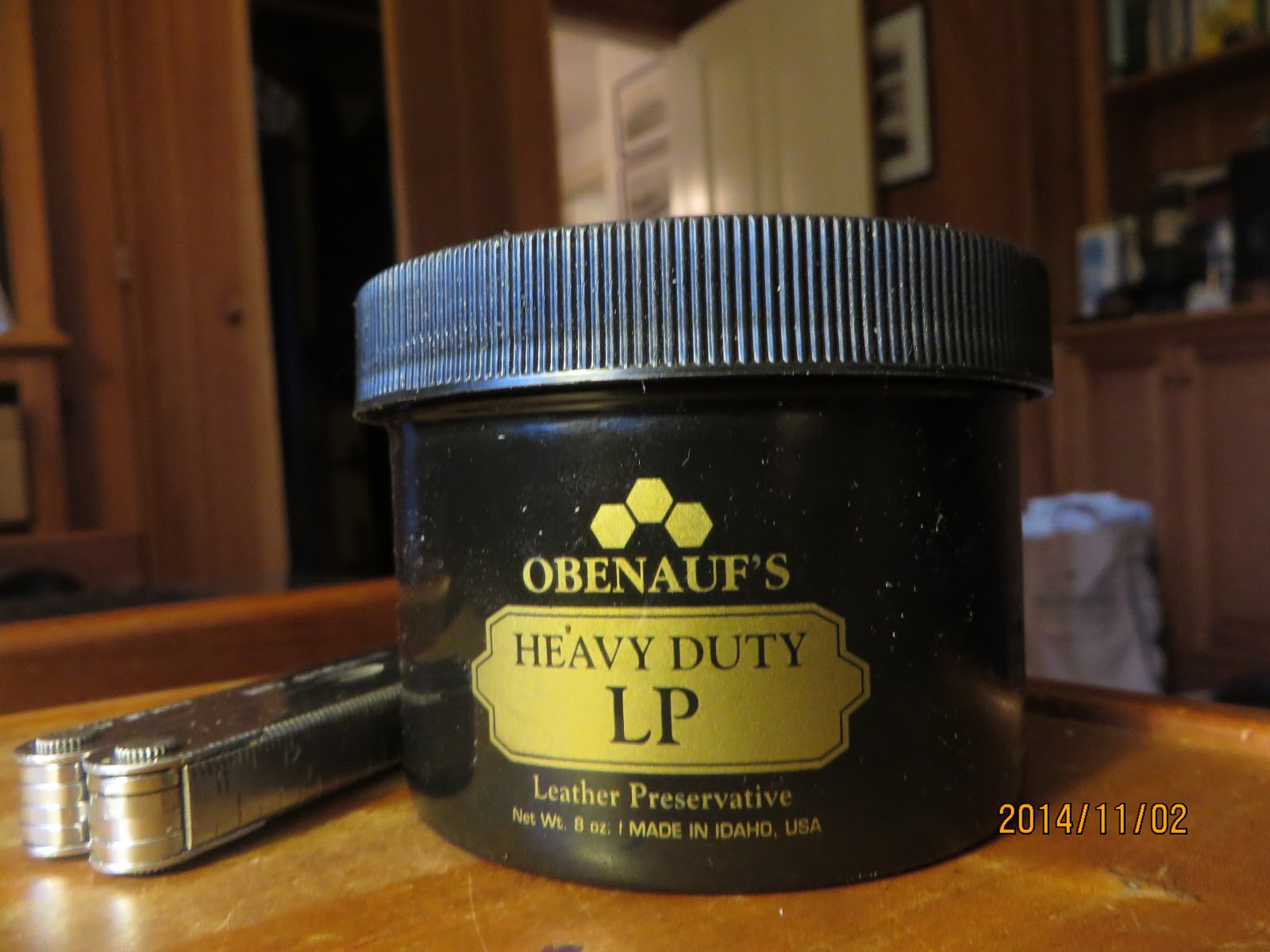 |
| Good stuff to revive boots. |
The
shotgun needs to get some serious use too, to freshen up the muscle memory. It
has been way too long. Boots are new and broken in, and there are plenty of
shotgun shells on the shelf. Maybe the Filson pants need new wax.
 |
| Ripsnorter Magalloway Magic showing her stuff last year. |
Sunday, July 30, 2017
The Brook
 A woodcock fluttered up and away my very first time there. That was eleven years ago
and it seemed like a pretty good omen. Barbed wire buried inches beneath the
bark of softwood trees told it once was a pasture. In places, remnants of old
fields still border the stream, but alders and poplar are squeezing the grasses
away.
A woodcock fluttered up and away my very first time there. That was eleven years ago
and it seemed like a pretty good omen. Barbed wire buried inches beneath the
bark of softwood trees told it once was a pasture. In places, remnants of old
fields still border the stream, but alders and poplar are squeezing the grasses
away.
Every
year the brook changes when the spring runoff chews away at its banks and
tumbles streamside trees. One favorite bend used to be around a narrow gravel bar, but has grown to nearly
the size of a tennis court. The stream is a property bound and someday
it will be interesting to sort out who owns what, but that isn’t a worry now.
 On
the north side of the stream, softwoods cover the flat valley bottom. Soft
needles and moss muffle footsteps, and moose and deer keep a path well
trampled.
On
the north side of the stream, softwoods cover the flat valley bottom. Soft
needles and moss muffle footsteps, and moose and deer keep a path well
trampled. In places the ferns are waist high, easily tall enough to hide dwarfs, elves, and forest creatures. It is a magical place. Farther from the stream, the land abruptly climbs and the forest changes to mixed hardwoods. Along this edge is where the exploding ruffed grouse live.
Brook
trout hide in the stream’s shadows, beneath undercut banks and fallen tree
trunks. In the fall they slip up some of the tiny feeder streams to reproduce,
sometimes in places that are so shallow their backs are out of the water. It is
best to give them some privacy then, so I stay away.
Fishing
downstream, sinking flies in the deeper holes or among the shadows along the
banks, you will eventually come to the alder flats. In October, when the weeds finally lay flat,
the woodcock will be found feeding in the soft soil beneath those alders. Some great memories linger
in that tangle. But by mid-November the place feels as empty as a ghost town.
 Further downstream
a bit, beavers keep trying to dam the stream, but always disappear after the
dams get started. Possibly someone traps them out, but the abandoned barriers
create lovely tranquil pools. There, a tiny dry fly often coaxes a trout into doing
something stupid, or at least showing its location. The trusty old green woolly bugger usually catches the biggest fish.
Further downstream
a bit, beavers keep trying to dam the stream, but always disappear after the
dams get started. Possibly someone traps them out, but the abandoned barriers
create lovely tranquil pools. There, a tiny dry fly often coaxes a trout into doing
something stupid, or at least showing its location. The trusty old green woolly bugger usually catches the biggest fish.
Most
of the trout are gently put back into the stream. A whopper would be as long as
the spread of a man’s hand, but those are rare. Occasionally, a couple medium
sized ones will come home to be cooked in bacon fat for breakfast. A kingfisher
might protest, but he can catch his own trout.
Subscribe to:
Posts (Atom)